
Can the CAMMUS SS15 Really Handle High-Torque DD Wheels?
-
By cammusracing
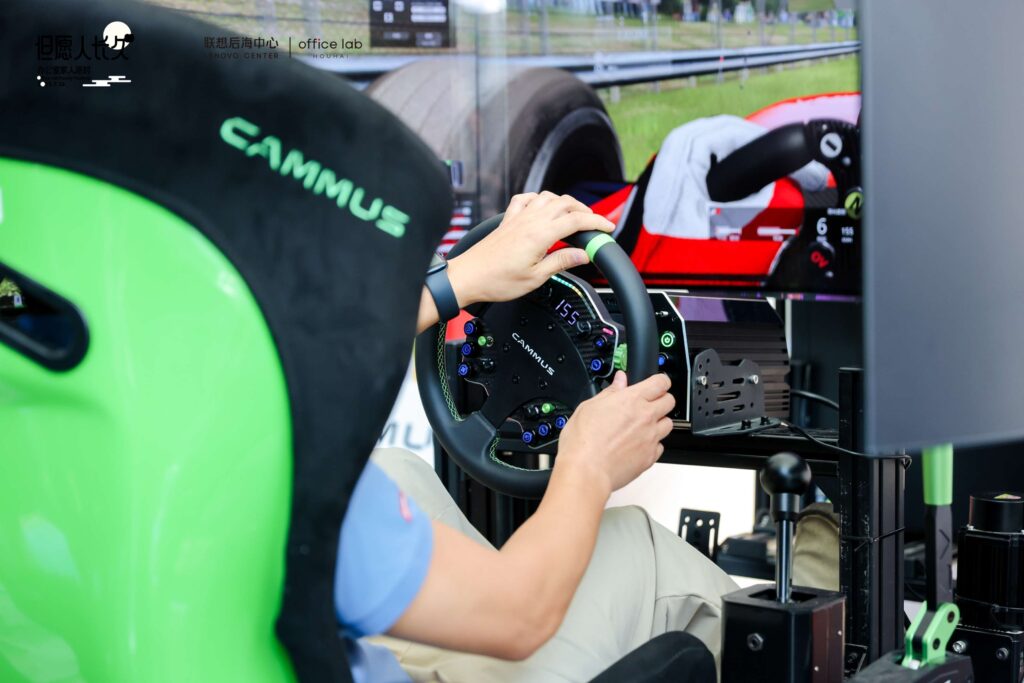
A Technical Deep Dive Into Rigidity, Torque Handling & Real Sim-Racing Engineering
High-torque Direct Drive (DD) wheels have changed the sim racing world. What used to be niche — 10Nm, 12Nm, even 15–20Nm torque systems — is now the standard for anyone who wants realistic force feedback and true immersion.
But with high torque comes one big concern:
“Can my cockpit actually handle this?”
A weak frame flexes.
A thin wheel deck vibrates.
A cheap pedal base shifts under braking.
So when a cockpit like the CAMMUS SS15 enters the market claiming premium strength at a competitive price, the real question isn’t how it looks — it’s:
Can the CAMMUS SS15 structurally support high-torque Direct Drive wheels?
Let’s break it down purely from the technical side, analyzing materials, construction, mounting design, and load distribution — exactly how an engineer or sim racer would evaluate a rig’s durability.
1. Frame Strength: The Heart of Torque Handling
The SS15 uses European-standard 4080L aluminium profile, the same structural material used in many commercial high-end rigs.
Why 4080L profile matters for high torque
- 40mm × 80mm profile = large surface area for torque absorption
- Thick wall extrusion = reduced torsional flex
- Industrial-grade linear grooves = stronger clamp force
- Heavy corner brackets = stronger mechanical locking
The SS15’s profile dimensions place it in the same rigidity class as:
- Sim-Lab P1 Lite
- TrakRacer TR80
- Moza’s RM1 aluminium rigs
Meaning it’s designed with DD load tolerances in mind, not just entry-level wheelbases.
2. Wheel Deck Design: The Most Critical Component
Even a strong frame is useless if the wheel deck flexes.
The SS15 wheel deck includes:
- Reinforced multi-slot steel plate
- Wide mounting area for DD bases
- Dual-bracket support connecting directly to the vertical profiles
- Adjustable tilt and height without sacrificing strength
From a torque-handling perspective, this design is important because:
- DD wheels transfer force directly into the mounting plate
- The plate must resist rotational torque (twisting force)
- Dual side supports distribute torque evenly
- Steel plate reinforcement prevents micro-flex
This means the steering column area remains stable even under:
- Sudden countersteer movements
- High-frequency force feedback
- Drift-style FFB surges
- Rally shocks and curb impacts
The SS15 wheel deck is engineered to hold the steering base in a locked position, which is essential for accurate force feedback.
3. DD Wheel Compatibility: What the SS15 Is Built For
The SS15 officially supports:
- CAMMUS C5 DD Wheelbase
- CAMMUS C12 (12Nm)
- CAMMUS WB15 (15Nm)
- As well as many third-party wheelbases with similar hole patterns
This is important because compatibility implies:
- The mounting hole patterns align with DD standards
- The structure is rated to withstand higher rotational forces
- The cockpit can hold larger/heavier DD bases without sagging
A cockpit that supports 12–15Nm torque wheels is already in the high-strength category.
4. Pedal Base Analysis: Can It Handle Load-Cell or Hydraulic Pedals?
High-torque DD wheels often pair with:
- Load-cell pedals
- Hydraulic pedal systems
These produce massive downward and forward forces.
The SS15’s pedal section features:
- Steel pedal tray
- Dual horizontal crossbars
- Full adjustability for angle and slider position
- Rigid mounting for LC100 and CP5 pedals
This matters because load-cell braking forces between 80kg–200kg need:
- Zero flex
- Zero pedal travel
- Zero deck bending
The SS15’s pedal zone is reinforced enough to give consistent braking pressure, even under extreme load-cell braking.
This is crucial because pedal flex = inconsistent braking = ruined lap times.
5. Structural Stability & Weight Distribution
High torque forces don’t just affect the wheel mount; they travel through the whole cockpit.
Key stability features in the SS15:
- Parallel dual-rail base structure
- Minimal vertical play in joints
- Heavy-duty corner brackets for all connecting points
- Low center of gravity due to steel seat mounting rails
- Full-length crossbeam under the steering area
This allows the rig to:
- Absorb torque evenly
- Prevent side-to-side wobble
- Stay immovable during sudden steering changes
In technical terms, the chassis shows:
- High torsional rigidity
- Low vibrational displacement
- Minimal lateral flex under dynamic load
This is exactly what you want from a DD-ready cockpit.
6. Adjustability Without Weak Points
Some rigs lose strength when fully adjusted, but the SS15 handles it smartly.
Adjustable areas include:
- Steering height
- Steering tilt
- Pedal tilt
- Seat sliders
- Rail distance
Because these adjustments rely on:
- Thick aluminium profiles
- Reinforced steel hardware
- Multi-slot locking positions
…there’s no sacrifice in stiffness.
Meaning you get:
- Comfort
- Custom driving position
- High strength
- Zero rattling
This is rare in entry-mid-level priced rigs.
7. Can It Truly Handle High Torque?
Analyzing all technical aspects:
- 4080L aluminium frame
- Reinforced steel wheel deck
- High-torque DD compatibility
- Strong load-cell pedal base
- Excellent tension distribution
Technical Conclusion:
Yes — the CAMMUS SS15 is structurally capable of handling high-torque Direct Drive wheelbases (12–15Nm and similar).
It is built in the same engineering pattern as other premium aluminium profile rigs that are known to withstand heavy forces.
It is:
- Rigid
- Stable
- DD-ready
- Load-cell-proof
- Future-proof for upgrades
For anyone building a DD-powered setup, the SS15’s technical design checks all the necessary boxes.
Most Asked FAQs About the CAMMUS SS15 & DD Wheels
1. Can the SS15 handle 12Nm or 15Nm wheelbases?
Yes. The structure, wheel deck, and mounting points are designed for high-torque DD wheels like the CAMMUS C12 and WB15.
2. Will the rig shake or wobble during heavy force feedback?
No. The 4080L aluminium profile frame and reinforced brackets keep the steering mount stable even during strong FFB surges.
3. Is the pedal base strong enough for load-cell braking?
Absolutely. The pedal deck supports LC100, CP5, and other load-cell systems requiring heavy braking forces.
4. Can I upgrade to hydraulic pedals or motion systems later?
Yes. The modular aluminium profile design allows additional accessories and upgrades without needing a new cockpit.
5. Does the SS15 lose stability when adjusting wheel height or pedal angle?
No. All adjustment mechanisms use steel hardware and multiple locking points, keeping rigidity intact.